Electrician in Staten Island for Home and Backup Power
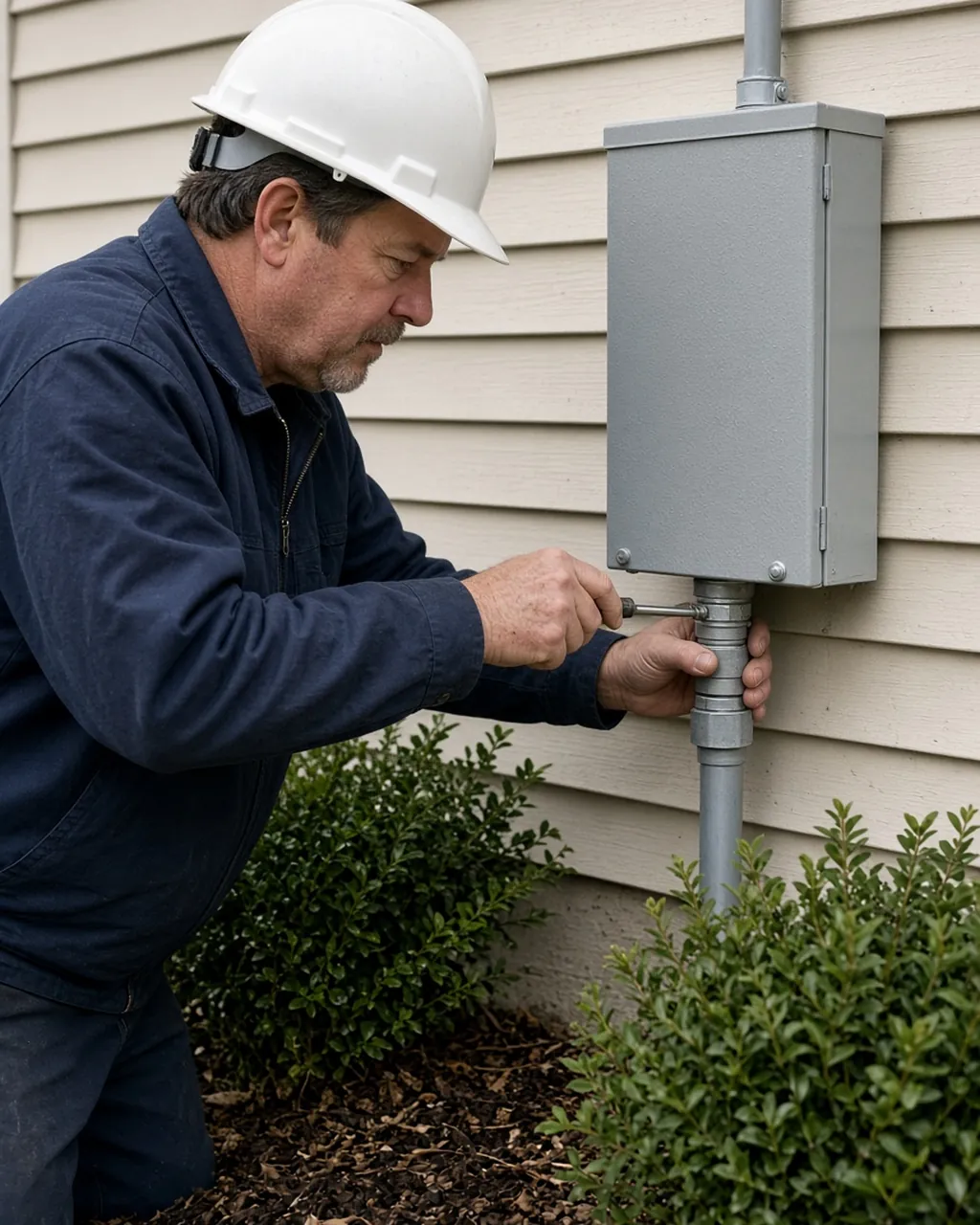
Coastal storms, corroded outdoor meter pans, and overloaded panels leave detached homes vulnerable when heavy appliances and EV chargers run at once. Call our licensed electrician in Staten Island today for fast service across St. George, Todt Hill, New Dorp, Great Kills, Eltingville, and Tottenville. We install weatherproof 200-amp services, whole-home standby generators, and Level 2 EV chargers built to last.

Tired of Storm Outages or Dimming Home Lights?
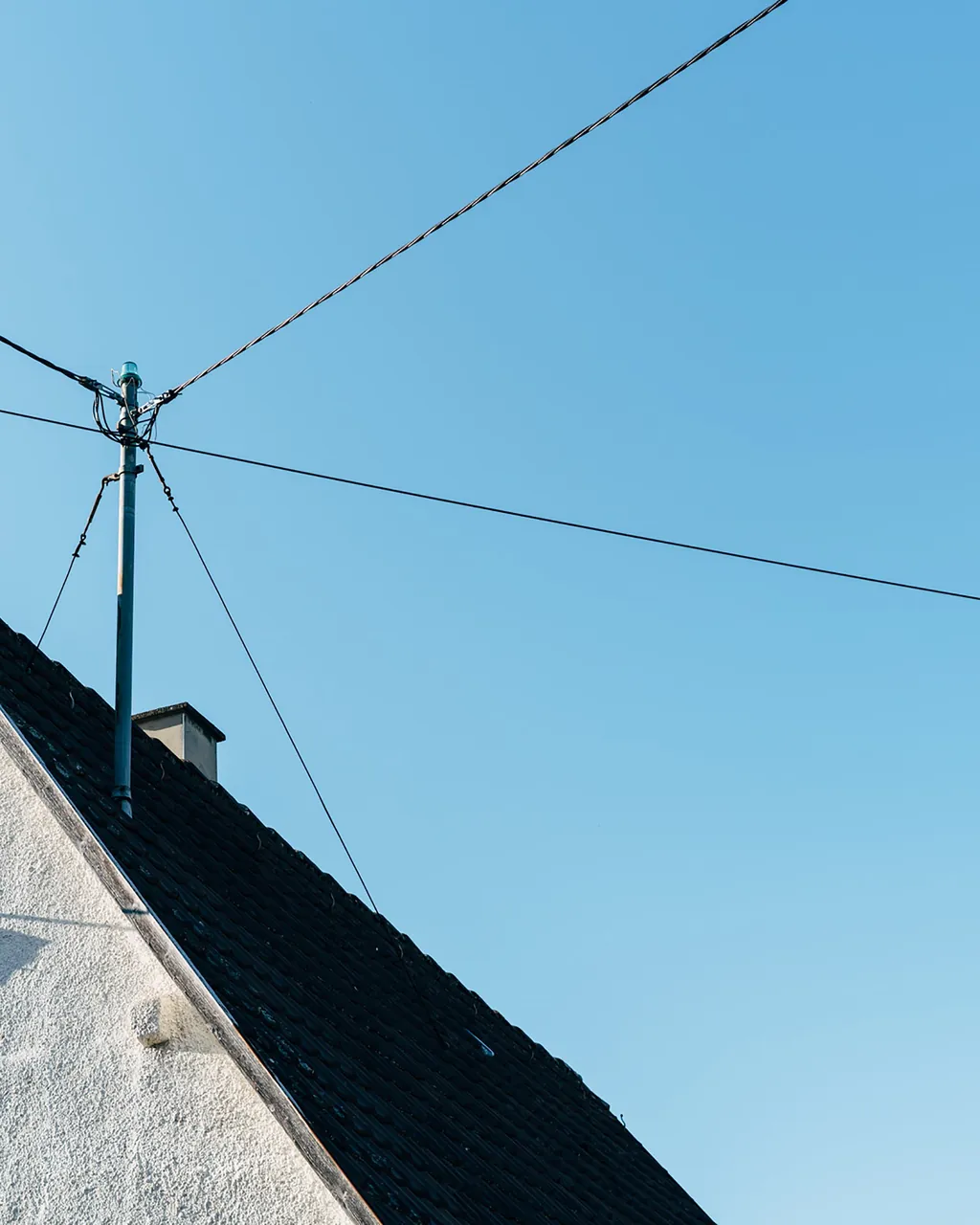
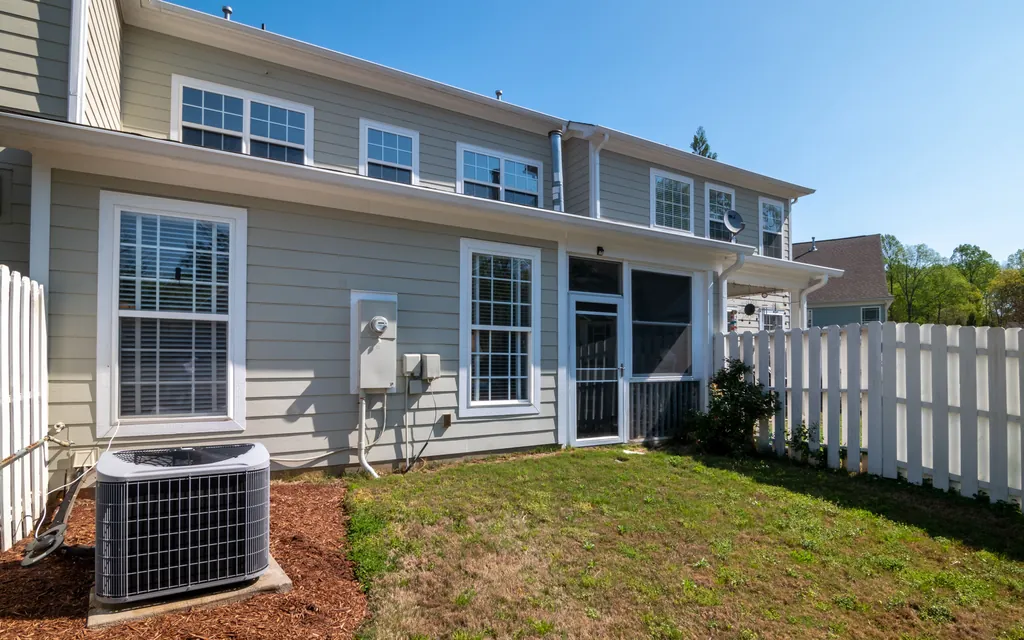
Staten Island is mostly detached homes with overhead Con Edison services, outdoor meter pans, and detached garages, so storm exposure and heavy modern loads stress the electrical system. Our licensed master electrician files the DOB permit, calculates the load, and guarantees the finished installation.
Many Staten Island homes in New Dorp, Great Kills, and Eltingville were built between 1950 and 1990 with 100A services, aluminum branch wiring in some tracts, and panels never meant for central air, induction ranges, or Level 2 chargers. Before suggesting any upgrade, we run the NEC 220.82 optional calculation for the house, or a 220.87 measured demand study for a storefront or shop service. Those numbers tell us whether your 100A service can stay or whether a 200A copper upgrade is the safer call. Scope details live on our residential electrician and commercial electrician pages.
On Staten Island, home inspectors and insurance adjusters both check who did the electrical work. Hidden splices, unbonded water and gas piping, and three-prong outlets with no ground behind them are what most often sink a home sale or an insurance claim here. Every filing carries our master electrician’s signature, and we send a Certificate of Insurance (COI) covering liability and workers compensation whenever you ask. If something fails, our electrical repair team tracks down the root cause instead of just resetting the breaker, then leaves a labeled panel schedule and written test readings for you and your insurer. Before we leave, we show you what changed, why, and which breaker feeds each room, so your household knows how to cut power safely before a storm or during an outage.

Can Your Panel Handle a Standby Generator or EV?
We wire detached homes, attached townhouses, waterfront properties, condos, small multi-family buildings, retail strips, auto shops, and warehouses throughout Staten Island. Every one of these properties needs its own service size, voltage, and wiring approach, and we plan it that way.
In Todt Hill, Great Kills, and Tottenville, most detached homes need a copper service upgrade from 100A to 200A, a NEMA 3R weatherproof meter pan, and a proper grounding electrode system. Waterfront and low-lying properties near St. George and the south shore need corrosion-resistant fittings, GFCI protection outdoors, and raised equipment where code and flood maps call for it. Detached garages and workshops often need trenched feeders and subpanels. You also get a written log of each change for your records and your insurer.
Shops along Forest Avenue and Richmond Avenue, plus the industrial blocks near the Bayonne Bridge, often need 208V or 480V 3-phase distribution, EMT conduit, and emergency lighting that meets code. We agree the scope with the property owner, handle the DOB filing, and book loud work for evenings or weekends when shops are closed. Your written quote spells out the panel size, circuit count, conduit type, and permit scope with no jargon. Branch circuit and cable method details are on our electrical wiring page, or you can contact us with your address and project and we will price it. For shops and offices, we size neutrals for LED driver and computer loads and tag every disconnect so staff can isolate equipment fast during a storm outage, routine service, or an inspection.
- Condos and Garden Apartments
- Townhouses and Small Multi-Family Buildings
- Waterfront and Detached Homes
- Garages and Workshops


Electrical Installations, Repairs and Upgrades Across Staten Island
From weatherproof meter pans and whole-home generators to Level 2 EV chargers and commercial wiring, we cover every electrical need on Staten Island with licensed crews and upfront pricing.
Why Do Staten Island Homes Trip Central AC Loads?
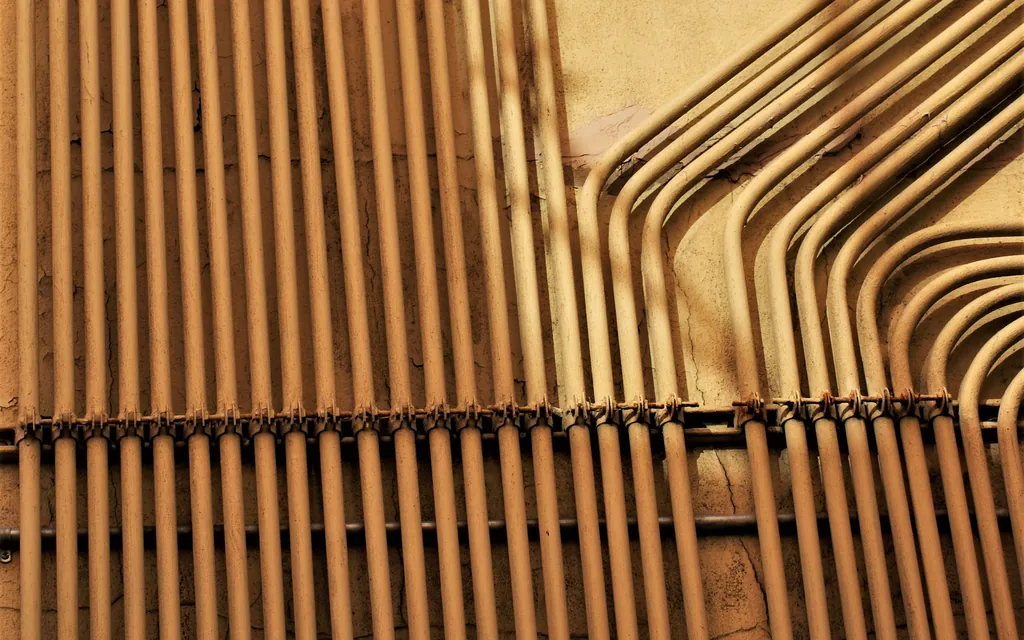


200A Service Upgrades
Replace corroded meter pans and 60A to 100A services with NEMA 3R weatherproof equipment and copper-bus panels.
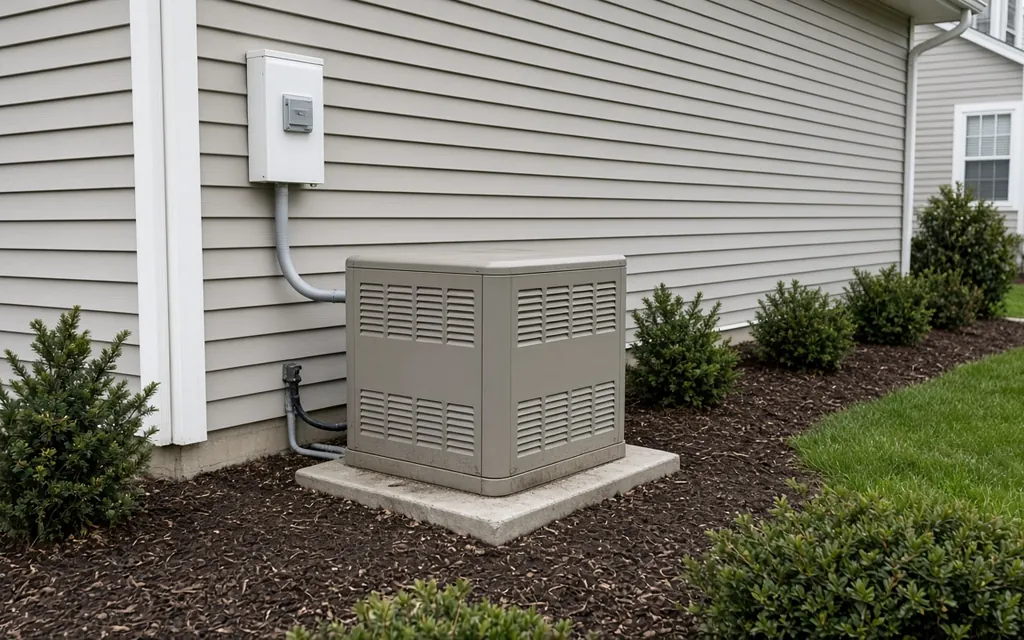
Standby Home Generators
Automatic transfer switches, concrete pads, and load-calculated backup power for Staten Island single-family homes.
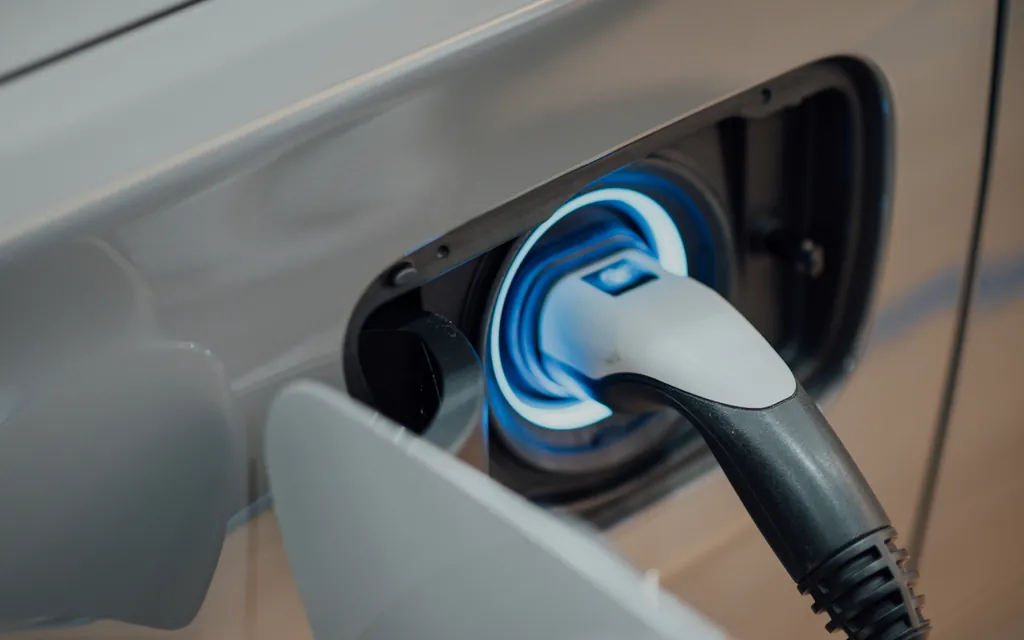
Tesla and EV Chargers
Tesla Wall Connector and Level 2 J1772 installs in Staten Island garages and driveways with load management.
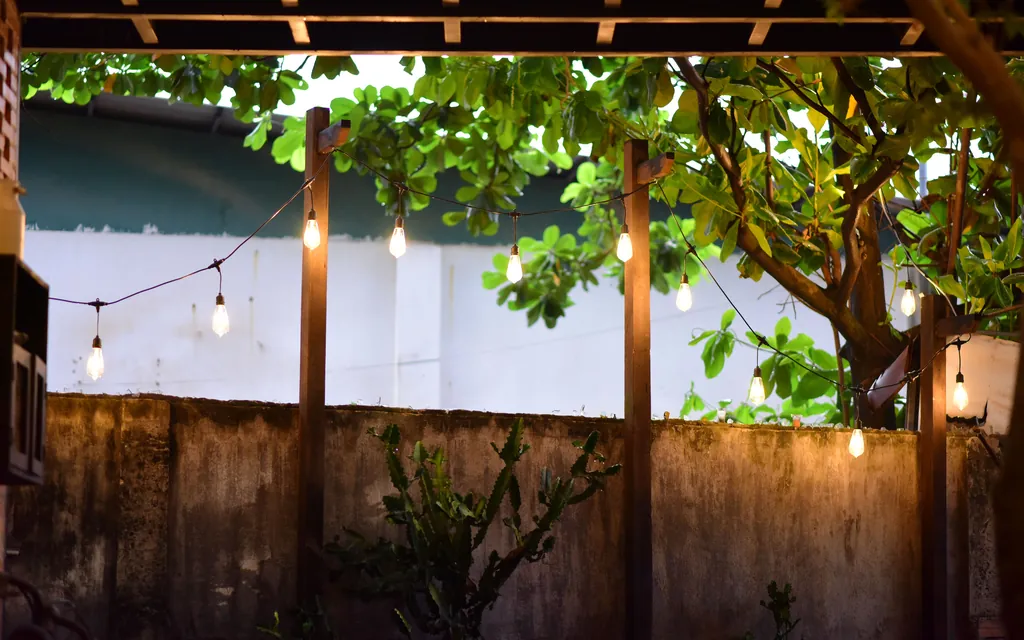
Outdoor and Pool Wiring
PVC and rigid conduit trenched to NEC depths with GFCI protection and weatherproof disconnects for pools and patios.
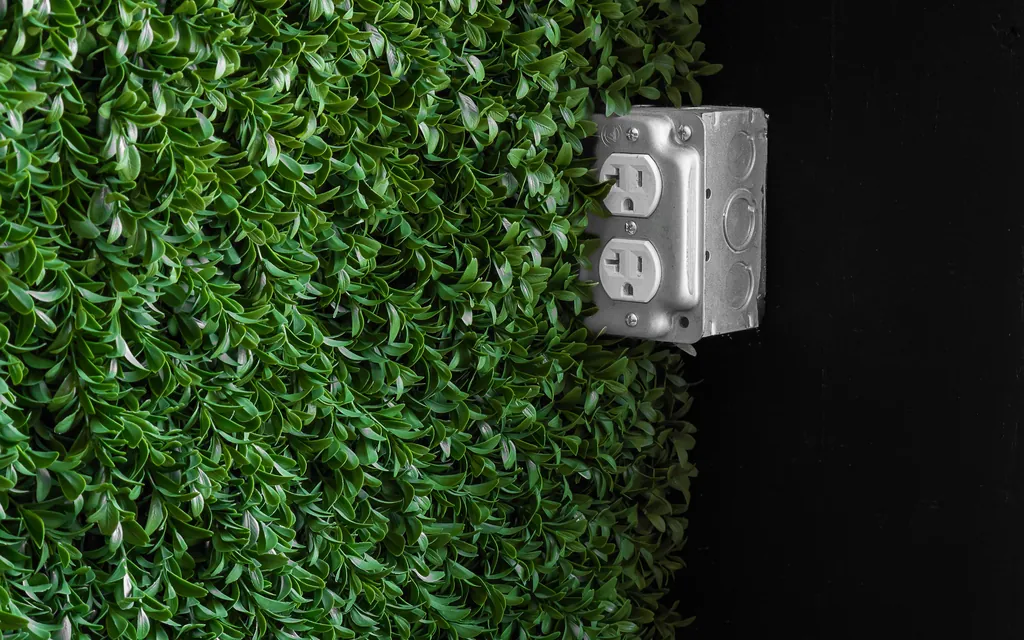
24/7 Emergency Repairs
Fast dispatch for storm surges, downed overhead weatherheads, tripping central AC breakers, and partial outages.
First comes a load calculation, then the DOB filing and the Con Edison load letter, and finally one short scheduled outage for the service swap, generator tie-in, or charger hookup. A typical Staten Island home job wraps up in one working day, and the inspection follows.
On a Staten Island 200A upgrade we replace the weatherproof meter pan, service conductors, and main breaker, install a copper-bus panel, and redo grounding and bonding to NEC Article 250. A whole-home standby generator adds a transfer switch sized from the load calculation, a gas line coordinated with a licensed plumber, and a concrete pad set to code clearances. Our electric panel upgrades and generator installation and repair crews handle the full sequence, with a written price before work begins.
Each Level 2 charger here runs on its own 50A circuit, and we check the load first so the house service is never pushed too far. Our EV charging installation and Tesla charger installation crews wire driveways and detached garages, with conduit trenched to NEC burial depth. For businesses we apply the same process using EMT conduit, 120/208V panels, and lighting installation timed around store hours. Once the install is done, every circuit is tested and labeled, and we show you breaker sizes, generator and charger settings, and where the shutoffs are. Standby generators and chargers share the same service, so we balance both on one load calculation and label each breaker, which keeps the system safe, inspectable, and easy to service later on.
When Do Storm Surges or Corroded Meters Turn Critical?
Lights that dim when the AC starts, a burning smell near the meter pan, warm outdoor outlets, and breakers that trip after storms are the signs to act on. When you spot any of them, turn that circuit off and book a licensed electrician on Staten Island the same day.
Heat is the real danger. Heat at a switch plate or a browned outlet face usually comes from a loose terminal or a 15A circuit carrying too much, and that heat can char framing and insulation within hours. A panel that hums often has a breaker losing its grip on the bus bar, and older Federal Pacific and Zinsco panels in Staten Island homes should be swapped out no matter how they behave. Staten Island homes with corroded outdoor meter pans and storm-damaged service drops show these faults most often, especially after heavy rain or wind events.
Flipping the same breaker back on over and over is not a fix. It trips because of too much load, a short, or a ground fault, and every reset adds more heat stress to the wire. Before we swap a single part, our electrical repair techs confirm the fault with a clamp meter and an infrared camera. If a utility notice or DOB violation brought you to us, our electrical code violations crew corrects it and files the sign-off. You receive a written report with photos, readings, and a ranked repair list, so you can approve repairs fast and follow each fix. Catching a loose connection or tired breaker on a routine visit costs a fraction of a fire loss, an insurance fight, or a failed inspection when you sell.
- Lights dim when the central AC kicks on.
- You smell burning near the outdoor meter.
- Outdoor fixtures buzz after heavy rain.
- Garage or patio outlets feel warm.
- Breakers trip every time a storm hits.

Need Fast DOB Sign-Offs or Con Edison Reconnects?
Our office files the permit in DOB NOW: Build, asks Con Edison for the load letter whenever the service size changes, and books the final inspection. You approve one authorization form, and our office handles every filing from there.
On Staten Island, a permit covers new circuits, panel replacements, meter moves, generator transfer switches, and EV charger circuits. We draw up the single-line diagram and load calculation, file under our master electrician license, and keep each approval moving. When the service size changes, Con Edison reviews the new amperage and issues a reconnection letter, and we factor that wait into your timeline. We keep digital copies of every filing and sign-off for future renovations, refinancing, or insurance reviews.
When the install is complete, the DOB inspector reviews the grounding, bonding, conductor sizes, and overcurrent devices, and we meet them on site. Storefront and warehouse tenants sometimes also need COI documents and lighting compliance, which our Local Law 88 team takes care of. We log every job filing number and inspection date, so nothing slips. Ready to start? Contact Energize NYC and we will lay out the permit steps for your property before any work starts.

From NYC Businesses and Homeowners

I’m so glad I chose Energize NYC. They provided a seamless experience and top-notch energy solutions. The staff was friendly, answered all my questions, and delivered exactly what they promised. Would definitely use them again!
Property Manager
Lisa Patel
Outstanding service from start to finish! The team at Energize NYC helped me upgrade my business’s energy system with ease. Their customer support was fantastic, and I can already see the benefits. Five stars!
Business Owner
James Rodriguez
Energize NYC exceeded my expectations! Their team was professional, efficient, and truly knowledgeable. My energy costs have significantly decreased, and I couldn’t be happier with their service. Highly recommend!
Homeowner
Sarah Thompson
Common Staten Island Electrical Problems Our Crews Solve
What does a 200A panel upgrade cost for a Staten Island house?
Most Staten Island homes land between $3,400 and $6,200, depending on the overhead service drop, the outdoor meter pan, and the grounding. That price covers the DOB permit, the Con Edison load letter, and the final inspection.
Can you install a whole-home standby generator on Staten Island?
Yes. We size the generator and transfer switch from a load calculation, set the pad, and coordinate the gas connection with a licensed plumber.
Do I need a DOB permit for rewiring on Staten Island?
Yes. Every new circuit, panel swap, generator transfer switch, and EV charger circuit on Staten Island needs a DOB NOW: Build permit. We handle filing and inspection.
Do you send 24/7 emergency electricians across Staten Island?
Our crews run 24/7 from St. George and the North Shore down through Midland Beach, Great Kills, and Tottenville. Call (646) 718-5996 anytime.
Can you install a Level 2 EV charger in a detached garage?
Yes. We install hardwired 48A Tesla Wall Connectors and Level 2 chargers, trenching conduit to NEC depths for detached garages.
Is your Staten Island electrical team licensed and insured?
Yes. Our master electrician holds a New York City license, and we carry liability and workers compensation policies, with a COI available for your insurer or HOA.