Electrician in Queens for Safe, Reliable Power
Flickering lights, tripping 100-amp breakers, and unpermitted wiring put your home or business at risk when you least expect it. Call our licensed electrician in Queens today, and a rapid-response technician arrives across Astoria, Long Island City, Flushing, Forest Hills, Rego Park, Bayside, and Jamaica ready to diagnose and fix the fault safely. We handle every Con Edison load letter, DOB permit, and code repair with upfront pricing.

Dealing with Tripping Breakers or Outages in Queens?
Queens runs on aging 60-amp and 100-amp services, overhead Con Edison drops, and mixed-use buildings that fail inspection when unlicensed work hides behind walls. Hiring a licensed master electrician means the DOB permit, load sizing, and warranty are all on record for your insurer and any future buyer.
Much of Queens was wired between 1920 and 1965 with cloth-insulated cable, two-wire circuits, and fuse blocks never meant for air conditioners, induction ranges, or Level 2 chargers. We run an NEC 220.82 optional calculation on Queens houses, or a 220.87 measured demand review on existing shop services, before we recommend any new equipment. The result shows whether the house can keep its 100A service or needs a 200A copper upgrade. Our residential electrician and commercial electrician pages explain the full scope of each service. In older Queens buildings we also check the neutral and ground bus for shared or reversed conductors, because a hidden defect can pass a visual check yet fail a megohmmeter insulation test, and we document those readings for the owner.
In Queens, DOB inspectors, home buyers, and insurance carriers all look for a licensed contractor on the paperwork. Bootleg splices, water and gas piping with no bonding jumper, and ungrounded three-prong outlets show up again and again in Queens inspection reports and rejected claims. Each filing is signed by our master electrician, and building managers can get a Certificate of Insurance (COI) showing liability and workers compensation coverage. When something fails, our electrical repair technicians find out why instead of simply resetting the breaker. Every job ends with a written scope, a labeled panel directory, and photos of concealed work, so future buyers, appraisers, and insurance adjusters can see exactly what was installed and when.

Is Your 100A Panel Overloading on EV Chargers?
We wire attached brick row houses, detached homes, co-ops and condos, multi-family walk-ups, retail corridors, warehouses, and restaurants throughout Queens. Each building type in Queens calls for its own service size, voltage, and wiring method, so we never use a one-size plan.
Bayside and Forest Hills houses typically move from 100A to 200A copper service with a new meter pan and a fresh grounding electrode system. Attached brick houses in Astoria and Jackson Heights often carry BX armored cable that we replace or extend with MC cable, which pulls faster and is fully code compliant. In Queens condos and co-ops, the riser decides between 120/208V and 120/240V, so we check voltage and the board’s alteration rules before ordering equipment. Mixed-use buildings with a storefront below and apartments above need separate metering and clearly labeled disconnects, which we verify before touching the riser.
Businesses in the Long Island City, Maspeth, and College Point corridors often need 208V or 480V 3-phase service, EMT conduit, and emergency lighting that passes inspection. We confirm scope with the landlord or managing agent, file the DOB permit, and schedule disruptive work outside store hours. Visit our electrical wiring page for branch circuit and cable details, or contact us with your building type for a written quote. Restaurants and salons in Flushing and Jamaica add heavy loads from hoods, dryers, and walk-in coolers, so we size feeders and breakers on measured demand rather than nameplate guesses.
- Garden Co-ops and Condos
- Attached Brick Row Houses
- Two-Family Homes
- Detached Homes in Bayside and Forest Hills
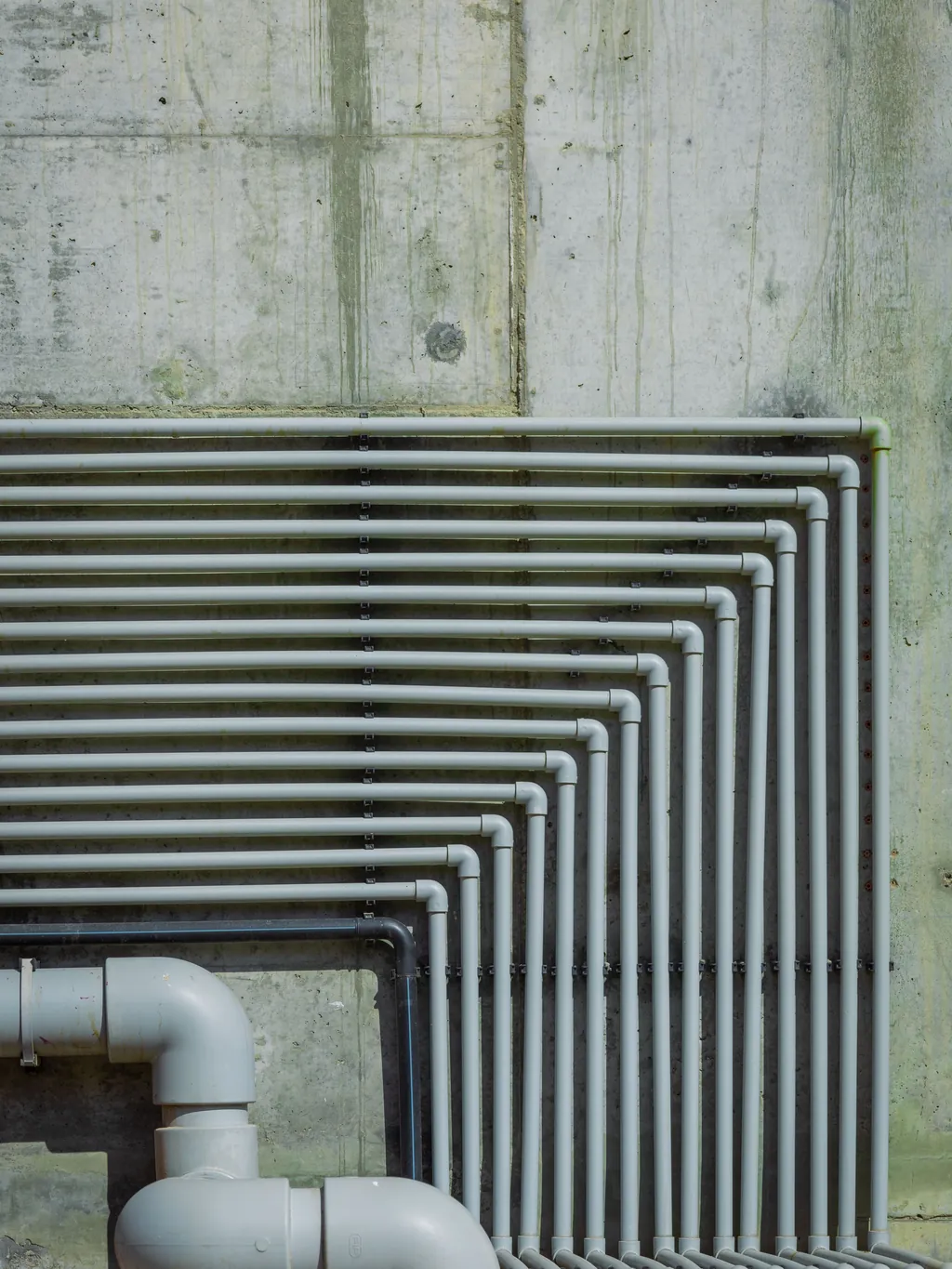
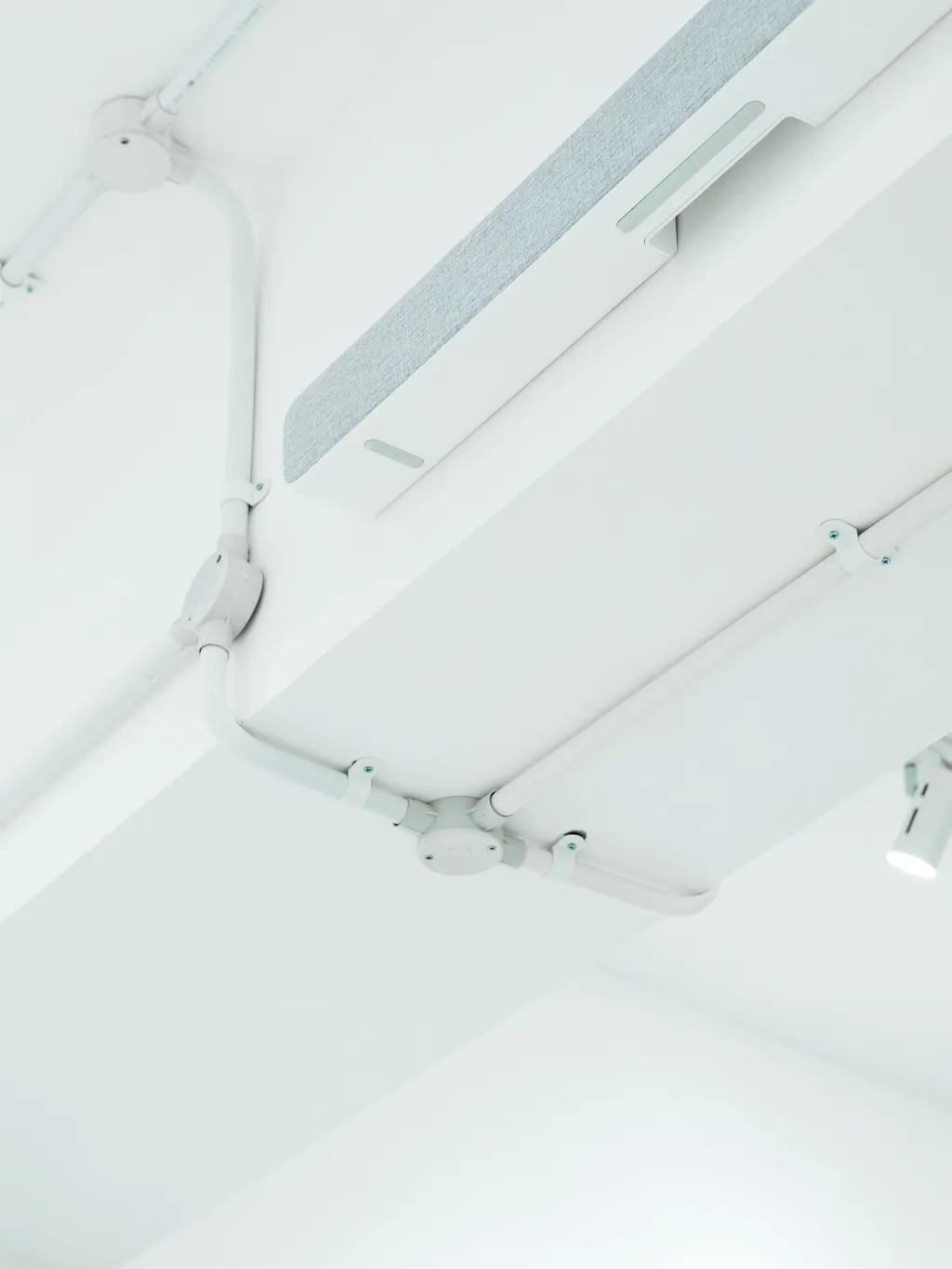


Electrical Installations, Repairs and Upgrades Across Queens
Licensed Queens crews handle panel swaps, Level 2 EV chargers, and commercial 3-phase power with pricing you see before work begins.
Why Do Older Queens Homes Fail Load Demands?
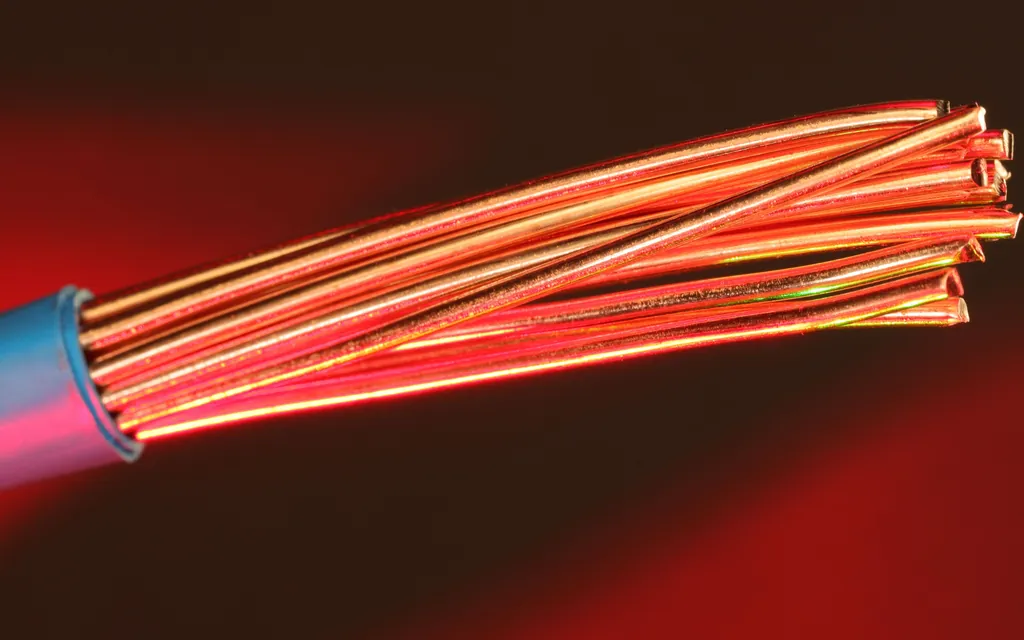


200A Panel Upgrades
Upgrade 60A and 100A services to 200A copper-bus panels with Con Edison coordination and DOB filings.
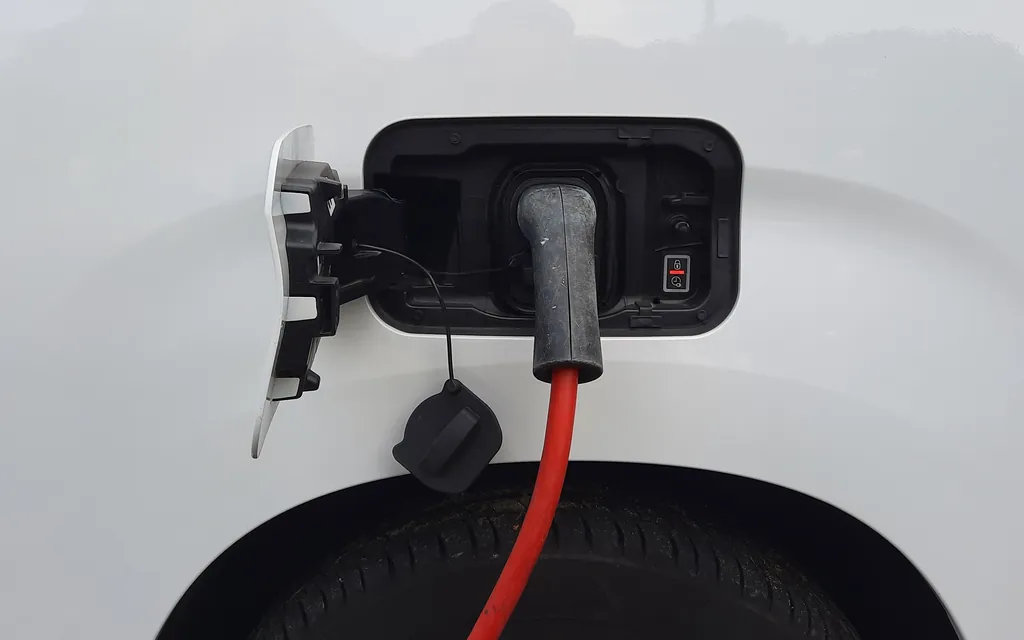
EV Charger Installation
Dedicated 40A to 60A Level 2 EV charger circuits for Queens driveways, detached garages, and shared lots.
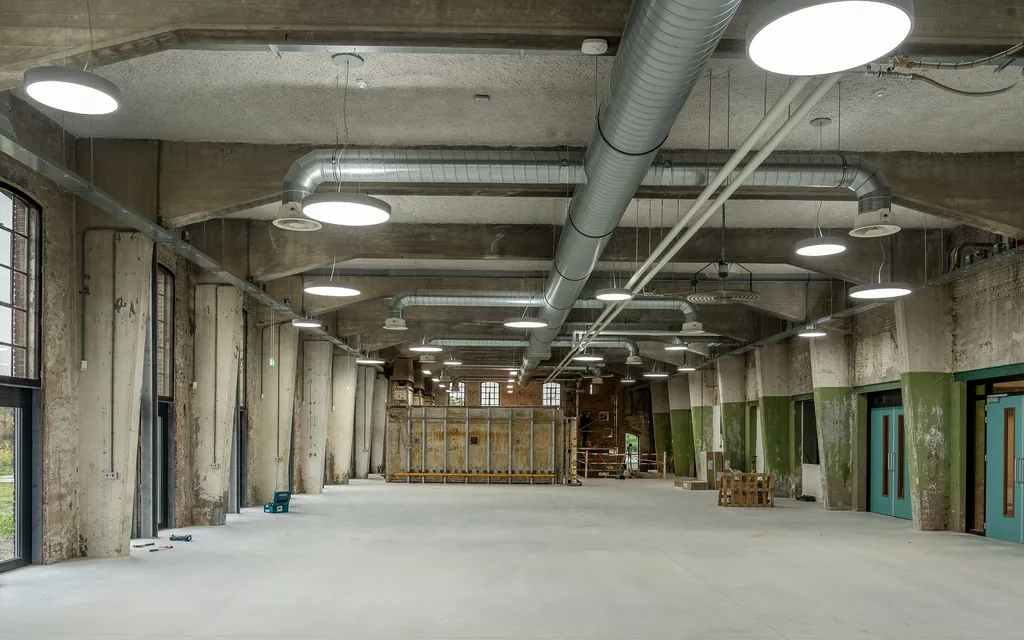
Commercial Build-Outs
3-phase 208V and 480V power, LED high-bay lighting, and rooftop HVAC disconnects for Queens businesses.
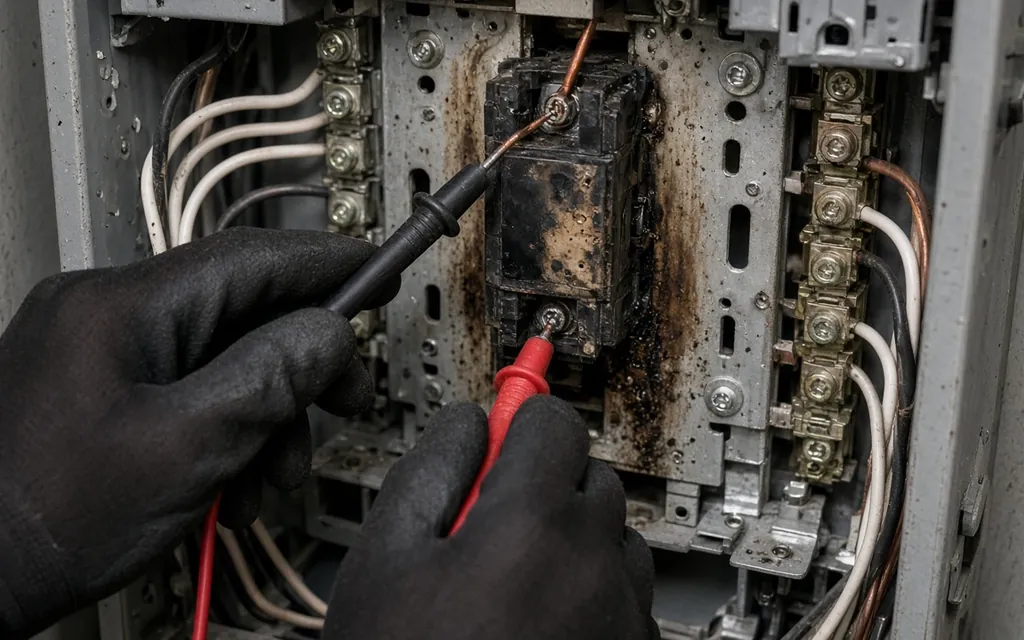
24/7 Emergency Repairs
Rapid fault isolation for partial outages, burning smells, hot breakers, and Con Edison service drops.
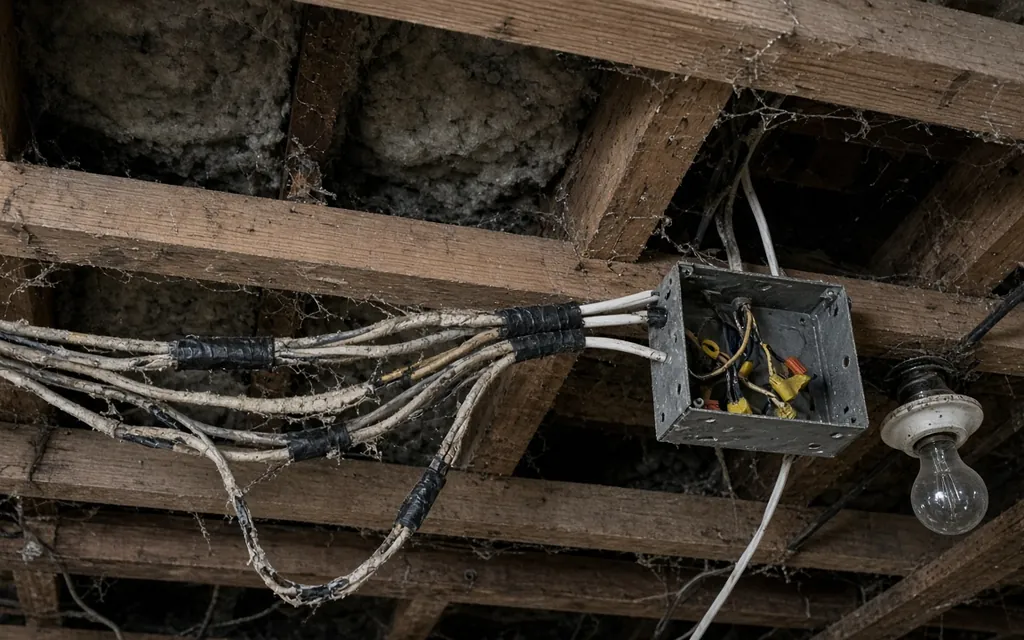
Code Violation Removal
Clear DOB and ECB electrical violations, open permits, and failed inspection defects with signed sign-offs.
Every Queens job begins with a load calculation and DOB filing, then a Con Edison load letter, then one brief scheduled outage for the panel or charger work. Most Queens homes are back to full power the same day, with the inspection booked right after.
A 200A service upgrade in Queens means a new meter pan, service entrance cable, main breaker, and copper-bus load center, plus fresh grounding and bonding under NEC Article 250. Our electric panel upgrades and circuit breaker installation technicians handle every step and add AFCI and GFCI breakers wherever code calls for them. Planning ahead saves money: we measure existing demand, list what the new equipment will add, and give you one written price before any work begins, with no surprise charges after the permit is filed.
Every Level 2 charger we install in Queens gets its own 50A circuit and a load review, so the car does not push the service past its limit. Driveway and garage installs are handled by our EV charging installation and Tesla charger installation teams. Storefronts and offices get the same approach with EMT conduit, 120/208V panels, and lighting installation planned around business hours. Commercial customers receive a coordinated schedule that respects landlord rules, business hours, and COI requirements, so tenants and customers are never left without power longer than necessary.
What Warning Signs Demand a Queens Electrician Fast?
Flickering lights, a hot plastic smell, sparking outlets, blown fuses, and breakers that will not stay on are the warning signs we see most in Queens homes. If you notice any of these in a Queens home, cut power to that circuit and have a licensed electrician check it today.
Heat is the real danger. A switch cover that feels warm or an outlet turning brown typically points to a loose connection or an overworked 15A circuit, and that heat can set nearby insulation smoldering within hours. Buzzing inside a Queens panel tends to mean a breaker or bus connection is breaking down, and Federal Pacific or Zinsco equipment should come out whether it shows symptoms or not. Queens homes with 60A fuse blocks show these faults most often. If you smell burning or see scorch marks, leave the area, shut off the main breaker if it is safe to reach, and call us immediately instead of waiting for the next scheduled visit.
A breaker that keeps tripping is a warning, not a nuisance to reset. The cause is an overload, a short, or a ground fault, and each time you force it back on the wiring takes more heat damage. Our electrical repair team verifies the problem with a clamp meter and thermal camera before any parts get replaced. When a Con Edison notice or DOB violation is behind the call, our electrical code violations group fixes the underlying problem and files the sign-off for you. We also check ground fault protection in kitchens, baths, basements, and outdoor receptacles, since missing GFCI protection is a frequent finding during Queens home inspections and resale reviews.

Stuck with DOB Violations or Con Edison Holds?
We submit the electrical permit in DOB NOW: Build, request a Con Edison load letter if the service is getting bigger, and set up the final inspection for you. After you sign a single authorization, we take care of every Queens filing.
Queens properties need a permit for any new circuit, panel replacement, meter move, or EV charger circuit. We put together the line diagram and load calculation, file under our master license, and track every approval step. On service upgrades, Con Edison checks the requested amperage and releases a letter that clears reconnection, and we plan the schedule around that wait. Large service changes may need a utility meter appointment, so we confirm availability early and coordinate the shutdown window with you, your tenants, and Con Edison to avoid a second trip.
A DOB inspector then checks the grounding, bonding, conductor sizes, and overcurrent protection on site, and we are there for the inspection. Queens commercial tenants may need COI documents and lighting compliance too, and our Local Law 88 team prepares those filings. Ready to start? Contact Energize NYC and we will plan the Queens permit path before any work starts. Once the inspection passes, you receive copies of the permit sign-off and any certificates in a single package that is ready for your lender, insurer, or buyer.
From NYC Businesses and Homeowners

I’m so glad I chose Energize NYC. They provided a seamless experience and top-notch energy solutions. The staff was friendly, answered all my questions, and delivered exactly what they promised. Would definitely use them again!
Property Manager
Lisa Patel
Outstanding service from start to finish! The team at Energize NYC helped me upgrade my business’s energy system with ease. Their customer support was fantastic, and I can already see the benefits. Five stars!
Business Owner
James Rodriguez
Energize NYC exceeded my expectations! Their team was professional, efficient, and truly knowledgeable. My energy costs have significantly decreased, and I couldn’t be happier with their service. Highly recommend!
Homeowner
Sarah Thompson
Common Electrical Problems We Solve Across Queens
What does a 200A service upgrade cost in a Queens home?
Most Queens homes fall between $3,300 and $6,000, based on the Con Edison feed, the meter pan, and how much grounding work is needed. The DOB permit, Con Edison load letter, and final inspection are part of that price.
Can a Level 2 EV charger go in my Queens driveway or garage?
Yes. We mount hardwired 48A Tesla Wall Connectors and Level 2 chargers in Queens driveways and garages, with conduit buried to code depth when the garage is detached.
Is a DOB permit required to rewire a Queens house?
Yes. Rewiring, new circuits, panel swaps, and EV charger circuits in Queens all need a permit filed in DOB NOW: Build. We handle filing and inspection.
Can an emergency electrician reach my Queens address quickly?
We dispatch 24/7 across Astoria, Long Island City, Flushing, Forest Hills, and Jamaica. Call (646) 718-5996 anytime.
Are Energize NYC electricians licensed and insured for Queens work?
Yes. Our master electrician carries a New York City license, and our liability and workers compensation policies are documented on a COI we can send to your landlord or board.
Do you work in co-ops and condos with board rules?
Yes. We follow alteration agreements, submit COI paperwork, and schedule work within building hours.