When it comes to electrical safety, it is important to follow the electrical code. Every year, electrical contractors in NYC come across serious issues during inspections. These issues might seem small, but they can cause big problems like power failure, shock, or fire. Many homeowners and even some handymen make mistakes without knowing the rules. That’s why hiring licensed experts is so important.
In this blog, we’ll explore the top 5 electrical code violations that show up often and what makes them risky.
Five Main Electrical Code Violations
Improper or Missing Grounding
Grounding keeps your home safe by giving extra electricity a path to follow. Without it, shocks and electrical fires can happen. Sadly, many homes still have old wiring without a ground. In some cases, people replace outlets with three-prong ones but don’t add proper grounding. That’s dangerous.
Why it’s a problem: If something goes wrong in a circuit, the electricity will look for a way out. Without grounding, it may travel through a person or flammable material. That can cause shock or fire.
Common causes:
- Old two-prong outlets were replaced the wrong way
- Ground wires left loose or disconnected
- Metal boxes are not bonded properly
How To Fix It: Hire an electrician to inspect your wiring. A licensed professional will make sure every outlet is grounded the right way.
Overloaded Circuits
One of the most common issues found during inspections is overloaded circuits. It happens when too many appliances or outlets pull power from a single breaker. The wires heat up. If it continues, they may spark or melt.
Why it’s a problem: Overloads are a leading cause of house fires. If a breaker doesn’t trip, the wires can burn behind the wall before you even smell smoke.
Signs to watch for:
- Flickering lights
- Tripping breakers
- Warm wall plates
What causes it?
- Adding too many devices to one outlet strip
- Kitchen upgrades without checking load limits
- Improper planning during remodeling
How To Fix It: Always add new circuits when you expand. Let a qualified electrician handle high-load areas like kitchens or home offices.
Improper Junction Boxes
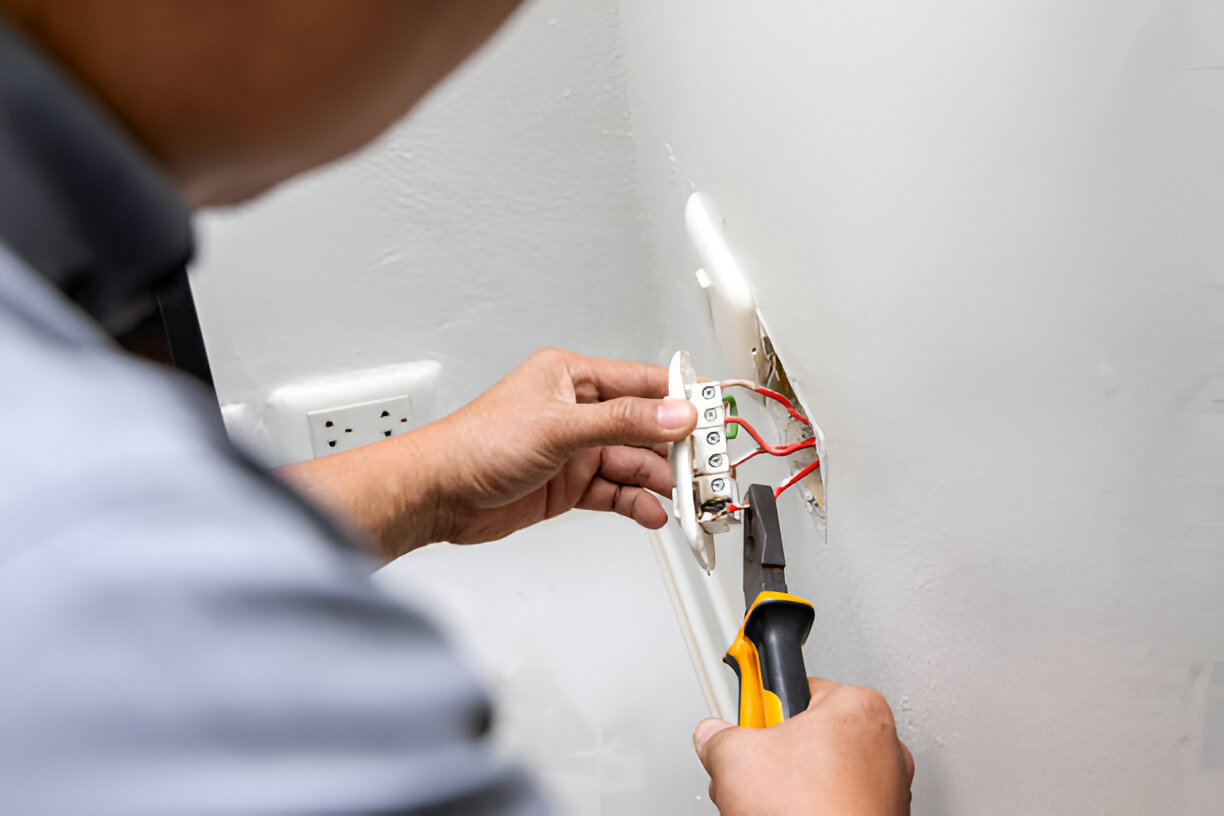
Junction boxes are where wires connect. They need to be covered and easy to access. But sometimes, people hide them inside walls or ceilings. That’s against code—and risky.
Why it’s a problem: If there’s a short circuit or loose wire inside, the sparks can cause a fire. Also, no one can reach it to make repairs.
Common violations:
- No box used at all, just twisted wires behind the drywall
- The box is buried under insulation or ceiling panels
- The box is missing a cover
How to Fix It: Every splice needs to be in a box with a cover. The box should be secure and visible. If you’re remodeling, never seal up a junction box inside a wall.
Wrong Wire Size
Different circuits need different wire sizes. A microwave pulls more power than a lamp. Using the wrong wire can lead to overheating.
Why it’s a problem: Thin wires carrying too much current will get hot. Over time, this damages the wire. It can cause sparks, melted insulation, and fire hazards.
Common mistakes:
- Using a 14-gauge wire on a 20-amp breaker
- Running extension cords in place of permanent wiring
- Undersized wires for electric ranges or AC units
Fix: Always match the wire to the breaker and the appliance. If you’re unsure, an electrical contractor in NYC can check your wiring and suggest the right wire gauge.
Missing GFCI Protection
GFCI stands for Ground Fault Circuit Interrupter. These are special outlets that protect you from shock in wet areas. They are now required by code in bathrooms, kitchens, laundry rooms, and outdoors.
Why it’s a problem: If there’s a ground fault, like electricity touching water. The GFCI cuts power fast. Without it, you’re at risk for serious shock.
Places that require GFCIs:
- Bathroom outlets
- Kitchen countertops
- Outdoor areas
- Garages and unfinished basements
- Within 6 feet of sinks
How To Fix It: Replace old outlets with GFCI ones in all required spots. They’re easy to identify; usually, they have a “test” and “reset” button. Only use a licensed electrician to make these upgrades.
Why These Violations Happen
Electrical code violations often occur during DIY repairs or low-budget renovations. Homeowners don’t understand safety rules, while unlicensed workers might skip steps to save time or money. In New York City, the age of many buildings adds to the risk. Older wiring may not meet current standards. Some contractors also fail to stay updated with the latest codes.
These small mistakes lead to major hazards like fires or shocks. That’s why regular inspections by licensed electrical contractors are essential. They help catch and correct violations early, before they put lives or property in danger.
Tips To Avoid Violations
If you’re unsure about your home’s electrical system, call trusted electrical contractors in NYC. They can inspect your home, spot code violations, and fix them safely. Don’t wait for sparks or a fire to take action.
Tips to stay safe:
- Never attempt electrical repairs without training
- Avoid using too many extension cords
- Don’t hide wires behind walls or under carpets
- Test GFCI outlets monthly
- Update old systems, especially in pre-war buildings.
Also Read: How to Choose the Best Electrical Contractor in NYC
Stay Safe and Code-Compliant with Energize NYC
Your home’s electrical system must follow code to meet legal standards. Common violations lead to serious risks and safety hazards. These problems are often easy to fix with the right help. That’s why it’s important to work with licensed experts who understand local rules.
Energize NYC is here to help. Our team of certified electrical contractors in NYC will inspect, repair, and upgrade your system the right way. Contact us today.